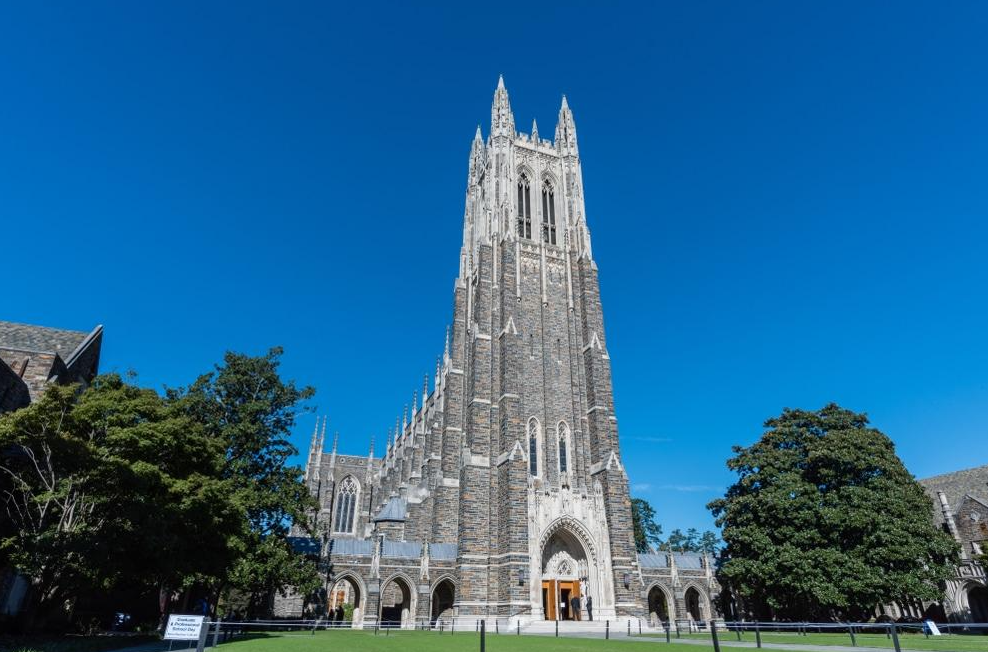

Studying at a university in the United States can be an exciting step toward a better academic and professional future. American colleges offer a wide range of degree programs, research opportunities, and campus experiences, but the cost of attendance can be a serious obstacle for students coming from other countries.
The good news is that some U.S. universities provide substantial financial assistance to international students. Depending on the institution, this support may include merit scholarships, need-based grants, tuition reductions, or financial aid packages that cover much of the cost of attendance.
However, not every university offers the same opportunities. Some provide aid based on a family’s financial circumstances, while others reward academic achievement, leadership, or exceptional talent. Understanding these differences can help you choose universities that fit both your educational ambitions and your budget.
Below are ten U.S. universities worth researching if you are an international student looking for scholarship opportunities, along with practical advice on eligibility, applications, and how to compare financial aid offers.
1. Harvard University
Cambridge, Massachusetts

Harvard University is known for its highly selective admissions process and extensive financial aid resources. For international students who qualify, financial need can be a significant factor in determining the support available.
Harvard’s undergraduate financial aid program is based on demonstrated financial need rather than awarding admission scholarships simply for high grades. Eligible international students can apply for the same need-based aid framework available to U.S. applicants.
What makes Harvard worth considering?
- Financial aid may cover a substantial portion of the cost of attendance for eligible families.
- International applicants can be considered for undergraduate need-based assistance.
- Students can explore a broad range of academic disciplines and research opportunities.
The important distinction is that Harvard does not offer a guaranteed full scholarship to every international student with excellent grades. Admission is extremely competitive, and financial aid depends on the institution’s assessment of the applicant’s financial circumstances.
Best suited for: Students with strong academic preparation who need substantial financial assistance and whose academic interests align with Harvard’s programs.
2. Yale University
New Haven, Connecticut

Yale University is another institution worth investigating for international students who need financial support.
Yale provides need-based financial aid to eligible undergraduate students, including international applicants. Its financial aid policies are designed to assess a family’s ability to contribute toward educational expenses.
Scholarship and financial aid opportunities
Yale’s undergraduate aid is based on financial need rather than a general merit scholarship awarded solely for academic excellence. For eligible students, the university may provide substantial assistance through its financial aid program.
Before applying, review the required financial documents, application procedures, and deadlines for international applicants.
It is also important to distinguish undergraduate funding from graduate funding. Graduate scholarships, fellowships, and assistantships depend on the school and academic program.
Best suited for: International undergraduate applicants with strong academic records who require need-based financial assistance.
3. Massachusetts Institute of Technology (MIT)
Cambridge, Massachusetts

Massachusetts Institute of Technology is especially attractive to students interested in engineering, computer science, mathematics, and scientific research.
MIT offers need-based undergraduate financial aid to eligible international students. The university evaluates financial circumstances through its aid application process rather than assuming that international students must pay the full published price.
Why consider MIT?
- Strong programs in science, technology, engineering, and mathematics.
- Research opportunities across a wide range of technical and scientific fields.
- Need-based aid for eligible international undergraduate students.
MIT is academically demanding, so applicants should carefully evaluate the preparation required for their intended program. Strong grades in relevant subjects, meaningful projects, and evidence of intellectual curiosity can help demonstrate readiness, although admission remains highly competitive.
Best suited for: Students interested in STEM fields who have strong preparation in mathematics and science and need financial aid.
4. Princeton University
Princeton, New Jersey

Princeton University is known for its undergraduate focus and substantial need-based financial aid program.
International applicants who are admitted can be considered for financial aid according to Princeton’s published policies. The amount depends on the university’s assessment of the family’s financial circumstances.
What should international students know?
Princeton’s aid model is need-based rather than a general merit scholarship competition. Students should therefore focus on meeting the university’s admission requirements and preparing complete financial aid documentation.
Its academic programs span the humanities, social sciences, natural sciences, and engineering. Applicants should research the curriculum and academic environment rather than choosing the institution solely because of its financial aid.
Best suited for: Students seeking a rigorous undergraduate education who need significant financial support.
5. Columbia University
New York City, New York

Columbia University offers undergraduate financial aid opportunities, but international applicants should examine the policies that apply to their particular admissions category.
The university has different schools and programs, and financial aid rules can vary by degree level and applicant type. Students should not assume that the same scholarship options are available across every program.
Potential advantages
- Access to a wide range of academic programs and research facilities.
- Opportunities to study in New York City.
- Financial aid policies that may provide substantial support to eligible undergraduate students.
Living expenses in New York City can be significant, so applicants should carefully compare the full cost of attendance with any anticipated financial aid.
Best suited for: Students whose academic goals align with Columbia’s programs and who have reviewed the financial aid requirements for international applicants.
6. Duke University
Durham, North Carolina

Duke University provides financial aid opportunities for undergraduate students and offers several forms of scholarship support.
Its financial aid and merit scholarship options are not identical. Some awards are based on financial need, while selected competitive programs recognize particular achievements, leadership, or potential.
What should you investigate?
International students should confirm whether they qualify for the specific aid program they are considering. Review the conditions for need-based assistance, the eligibility rules for merit scholarships, and any separate application requirements.
Students interested in research, interdisciplinary study, and a broad range of undergraduate subjects may find Duke worth exploring.
Best suited for: Students with strong academic preparation who want to investigate both need-based aid and selected competitive scholarship programs.
7. University of Southern California (USC)
Los Angeles, California

University of Southern California is known for its diverse academic programs and competitive merit scholarship opportunities.
Some USC scholarships recognize academic achievement, leadership, and exceptional talent. However, international students should check the eligibility rules for each award rather than assuming that every scholarship is available to applicants from outside the United States.
Why consider USC?
- A broad range of undergraduate and graduate programs.
- Competitive merit scholarship opportunities for eligible applicants.
- Access to academic, professional, and research networks in Los Angeles.
Students should pay close attention to scholarship deadlines. Some awards require applicants to complete their admission application earlier than the regular deadline.
Because Los Angeles can be expensive, compare tuition and living costs against the actual value of any award.
Best suited for: Students interested in USC’s academic programs who have strong achievements and can meet the requirements for relevant scholarships.
8. Vanderbilt University
Nashville, Tennessee

Vanderbilt University offers need-based financial aid and a range of competitive merit scholarship programs.
Certain merit scholarships recognize leadership, intellectual ability, and other accomplishments beyond grades alone. Some programs may require additional essays, interviews, or separate application steps.
How can students prepare?
Start by researching the university’s scholarship programs and identifying which ones accept international applicants. Check whether a separate application is required and confirm the relevant deadlines.
Applicants should also prepare to explain their academic interests, leadership experiences, and future goals in a clear and specific way.
Best suited for: Students with strong overall applications who want to explore need-based aid and competitive merit scholarships.
9. Amherst College
Amherst, Massachusetts
Amherst College is a liberal arts college rather than a large research university, but it deserves attention from international students seeking undergraduate financial aid.
Amherst provides need-based financial aid to eligible international students. Its academic environment emphasizes undergraduate teaching, close faculty interaction, and study across a variety of disciplines.
Why include a liberal arts college?
Students sometimes limit their search to famous research universities and overlook smaller colleges that may offer strong financial support.
A liberal arts education can be especially attractive if you want to explore several academic fields before specializing or prefer smaller classes and close interaction with professors.
As with other highly selective institutions, admission is competitive, and funding depends on the applicable aid policies and individual circumstances.
Best suited for: Students interested in a broad undergraduate education and substantial need-based financial aid.
10. Berea College
Berea, Kentucky

Berea College is particularly notable for its distinctive approach to educational affordability.
The college provides a tuition promise for enrolled students, and its financial support model is designed to make education accessible to students with limited financial resources. It also operates a work program in which students participate in approved campus employment.
International students should review Berea’s specific admissions and funding policies, including any limits on international enrollment, documentation requirements, and expectations associated with the work program.
The college’s financial model differs from a conventional merit scholarship, so applicants should understand how tuition support, work expectations, and other expenses fit together.
Best suited for: Students who meet Berea’s eligibility requirements and are interested in a residential liberal arts education with a distinctive financial support model.
How to Compare These Universities Before Applying
A university’s reputation alone does not tell you whether it will be affordable. The most useful comparison combines academic fit, financial aid eligibility, total cost, and application requirements.
Use the following framework to evaluate each institution.
| What to compare | Questions to ask |
|---|---|
| International eligibility | Can students from your country apply for this type of aid? |
| Funding model | Is the award merit-based, need-based, or a combination? |
| Coverage | Does it cover tuition only or also housing, meals, and fees? |
| Application process | Is scholarship consideration automatic or separate? |
| Deadlines | When must admission and financial aid documents be submitted? |
| Renewal conditions | What GPA, enrollment status, or other requirements apply? |
| Remaining costs | How much might you still need for insurance, travel, and personal expenses? |
Do not compare awards based only on their advertised dollar amounts. A scholarship covering tuition at one university may leave substantial living expenses, while another financial aid package may cover a broader share of the total cost.
How to Apply for Scholarships at U.S. Universities
A successful application usually begins months before the deadline. Organizing the process early gives you more time to prepare documents and address any missing requirements.
Step 1: Create a realistic university list
Choose universities based on your academic interests, admission profile, location preferences, and financial needs.
Include institutions with funding policies that make sense for international applicants. Do not build your entire plan around one highly competitive scholarship.
Step 2: Review each university’s official financial aid policy
Read the institution’s international admissions and financial aid pages carefully.
Determine whether the scholarship is open to international applicants, whether it requires a separate application, and whether your intended degree qualifies.
If the information is unclear, contact the university directly.
Step 3: Prepare your academic documents
Depending on the institution, you may need transcripts, recommendation letters, standardized test results, English-language proficiency evidence, and personal essays.
International applicants may also need certified translations or additional explanations of their grading system.
Start gathering these materials well before the deadline.
Step 4: Write strong personal essays
Scholarship essays should explain your interests, achievements, goals, and reasons for applying.
Use specific examples rather than general statements. If you have led a project, helped your community, or pursued an academic interest independently, explain what you did and what you learned.
Tailor each essay to the scholarship’s purpose and follow the required word limit.
Step 5: Submit financial aid forms on time
Need-based aid may require financial information about your family, income, assets, and other circumstances.
Follow the university’s instructions carefully and provide accurate documentation. Do not assume that completing an admission application automatically completes the financial aid process.
Step 6: Compare offers before making a decision
When you receive admission and financial aid decisions, calculate the remaining annual cost for each university.
Include tuition, accommodation, meals, health insurance, transportation, books, personal expenses, and any costs not covered by the award.
Review renewal conditions and confirm whether outside scholarships can be combined with institutional assistance.
Common Mistakes International Students Should Avoid
Even qualified applicants can miss opportunities because they overlook details in the scholarship process.
Assuming every university offers full scholarships. Funding policies differ, and some institutions provide limited assistance to international students.
Confusing merit scholarships with need-based aid. An award based on academic achievement may have different requirements from aid based on family finances.
Ignoring deadlines. Some scholarship programs have earlier deadlines than the university’s general admission application.
Failing to verify eligibility. Check citizenship restrictions, degree requirements, and enrollment conditions before applying.
Underestimating living expenses. Tuition support alone may not make a university affordable.
Relying on one award. Build a balanced list of universities and funding opportunities rather than assuming a single application will solve every financial challenge.
Frequently Asked Questions
Which U.S. university offers the best scholarships for international students?
There is no single best university for every student. Harvard, Yale, MIT, Princeton, and other institutions provide substantial financial aid to eligible undergraduates, while other universities offer competitive merit scholarships or distinctive funding programs. The best choice depends on your academic goals, financial circumstances, and eligibility.
Can international students get full scholarships in the USA?
Yes. Some institutions and external organizations offer funding that can cover most or all eligible educational expenses. However, awards are competitive, and coverage varies. Always check the exact terms rather than assuming that a scholarship pays for every expense.
Do I need perfect grades to receive a scholarship?
Not always. Some scholarships prioritize academic performance, while others consider leadership, financial need, community service, talent, or other achievements. However, universities and scholarship providers may still have minimum academic requirements.
Are scholarships available for international graduate students?
Yes, but graduate funding often differs from undergraduate aid. Master’s and doctoral students may qualify for fellowships, research assistantships, teaching assistantships, or department-specific awards. Eligibility depends on the academic program and funding source.
When should I start applying for scholarships?
Begin researching approximately a year or more before your intended enrollment when possible. Some scholarships have early deadlines, and preparing transcripts, essays, recommendations, and financial documents takes time. Always use the official deadline for the specific admission cycle.
Choose a University That Fits Your Education and Budget
Finding a U.S. university that offers financial assistance requires more than searching for the biggest scholarship. You need to understand how each institution funds international students, what qualifications it expects, and how much you would still need to pay.
Start with universities whose academic programs match your goals. Investigate their official financial aid policies, prepare your documents early, and compare the complete cost of attendance rather than focusing only on tuition.
The ten institutions discussed here provide different academic environments and funding approaches, from major research universities to smaller liberal arts colleges. Their programs are not interchangeable, and eligibility can vary by degree level and admission cycle.
With careful research and a realistic application strategy, you can identify universities that align with both your academic ambitions and financial circumstances. The right opportunity is not necessarily the institution with the most famous name, but the one where you can pursue your education with a sustainable financial plan.